

Why Are Homebuilders Cutting Prices and Offering More Incentives in 2026?
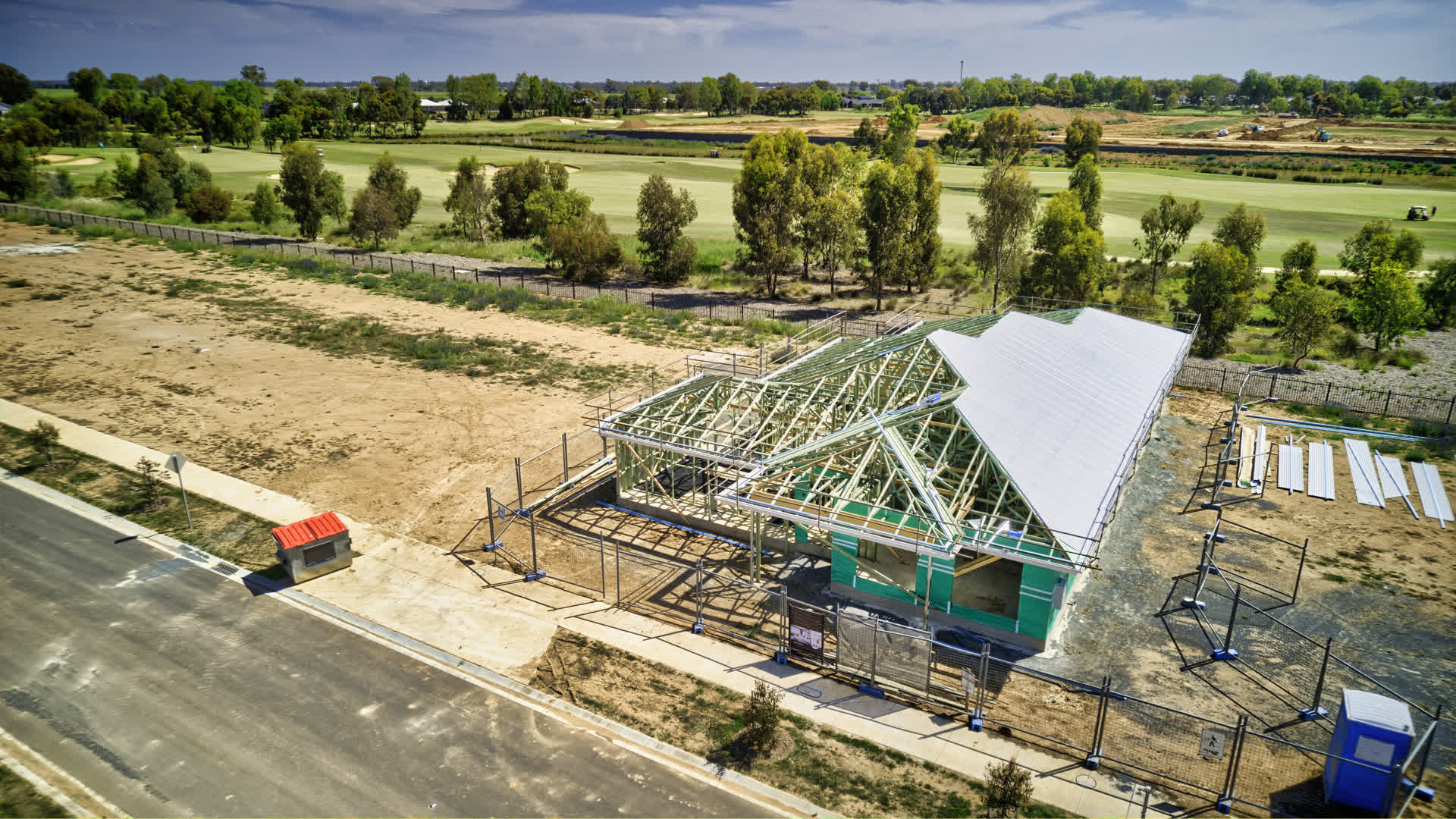
Homebuyers may be seeing something unusual in 2026: builders are lowering prices, advertising mortgage-rate offers, and providing closing-cost assistance to attract buyers. These deals can make a newly built home more attainable, but they also raise an important question: Why are builders offering so much to get homes sold?
The answer comes down to affordability, weaker buyer traffic, and the challenge of selling homes in a market where construction costs remain high.
According to the National Association of Home Builders (NAHB), 43% of builders reported cutting prices in October 2026, with an average price reduction of 6%. Meanwhile, 65% reported offering sales incentives. Builder confidence also fell to 29, its lowest level since June 2012.
These figures come from NAHB’s October 2026 builder-confidence report.
For buyers considering new construction in Florida, these offers may create opportunities. However, understanding why builders are offering incentives, what those incentives are worth, and which conditions apply is essential before making a decision.
1. Higher Mortgage Rates Are Keeping Buyers on the Sidelines
One of the biggest challenges facing homebuilders is affordability.
Even when a home’s asking price appears reasonable, the mortgage payment can be difficult for buyers to manage. When interest rates rise, monthly principal and interest payments increase, reducing the amount many households can comfortably borrow.
This can cause buyers to postpone their purchase, consider a less expensive property, or continue renting.
Builders feel the effects when fewer prospective buyers visit model homes, request information, or sign purchase agreements. To encourage buyers to move forward, builders may reduce prices or offer financing incentives designed to lower monthly payments.
For example, a builder might contribute money toward a mortgage-rate buydown through an eligible lender. Depending on the terms, this could reduce a buyer’s payment for a specified period or provide a lower rate for a longer term.
However, buyers should look beyond the advertised rate. They need to understand the annual percentage rate (APR), loan fees, duration of the offer, and payment that will apply once any temporary rate reduction ends.
2. Builders Need to Sell Completed and Available Homes
New homes represent a significant investment for builders. Land, construction labor, materials, financing, and other expenses may already have been paid or committed before a buyer signs a contract.
When a completed home remains unsold, the builder continues carrying costs while waiting for a sale.
That creates an incentive to move available inventory, especially homes that are already completed or nearing completion. These are often marketed as quick move-in homes.
Rather than waiting for a buyer to choose a floor plan, select finishes, and wait for construction to finish, a builder may offer a discount or additional incentives on a home that is ready sooner.
The distinction matters because incentives are not always available across an entire development. A promotion might apply only to certain homes, specific floor plans, particular communities, or contracts signed before a deadline.
Buyers who are flexible about location, layout, finishes, or move-in dates may find more opportunities than buyers who require a highly customized home.
3. Construction Costs Are Still Pressuring Builders
Lower prices do not necessarily mean builders are spending less to construct homes.
Builders continue to face costs associated with labor, building materials, land, fuel, and construction financing. NAHB identified rising mortgage rates, energy and material costs, labor shortages, and worsening lot conditions among the pressures affecting builder confidence in October 2026.
That creates a difficult balancing act.
Builders want to sell homes, but they also need to manage construction costs and protect the financial viability of their projects. As a result, a builder may use a combination of selective price reductions and targeted incentives instead of lowering every home's price.
For buyers, this is an important reminder: a promotion reflects a builder’s sales strategy, not necessarily a broad decline in the cost of building a home.
It also means that offers can vary significantly between communities and builders.
4. Price Cuts and Builder Incentives Are Not the Same Thing
A lower purchase price and a builder incentive can both help buyers, but they affect a transaction differently.
A price reduction lowers the agreed purchase price. Depending on the financing terms, this can reduce the amount a buyer needs to borrow and may affect the down payment.
An incentive, on the other hand, may help with financing costs, closing expenses, or selected upgrades without reducing the home's advertised price.
Common incentives include:
-
Mortgage-rate buydowns: The builder contributes toward reducing the mortgage rate under specified loan terms.
-
Closing-cost assistance: The builder pays eligible closing costs or contributes toward prepaid expenses.
-
Design and upgrade credits: Buyers receive allowances for selected finishes, fixtures, or other options.
-
Appliances or other extras: The builder includes items that might otherwise require additional spending.
-
Discounts on selected homes: Certain completed or quick move-in properties receive direct price reductions.
A current example is M/I Homes’ Tampa Bay incentive program, which advertises savings on select homes, including price reductions on certain quick move-in properties and closing-cost assistance. The offer is subject to the builder’s published terms, eligible homes, and contract deadlines.
The important point is that a large advertised incentive does not automatically represent the best overall deal. Buyers should compare the actual purchase price, financing terms, and total costs of ownership.
5. What This Means for Florida Homebuyers
Florida buyers considering new construction should compare offers at the community level rather than assuming every builder is offering the same savings.
In the Tampa Bay area, available options and incentives can differ by county, neighborhood, home type, and stage of construction. A promotion advertised for a particular community may not apply to another nearby development, even when the homes appear similar.
For buyers focused on Pinellas County, it is worth checking the exact location and eligibility requirements of any advertised offer. A Tampa Bay promotion may apply only to selected homes in a specific community outside the buyer’s preferred area.
Buyers should also consider expenses that extend beyond the purchase price. Property taxes, homeowners insurance, HOA fees, and any applicable community development district (CDD) assessments can influence the real cost of owning a new home.
A home with a lower price but higher recurring expenses may not be as affordable as it first appears. Likewise, a financing incentive may be valuable if it genuinely reduces the buyer’s costs and fits the buyer’s long-term plans.
6. How to Tell Whether a Builder Incentive Is a Good Deal
Before signing a contract, compare the entire transaction rather than focusing on one headline number.
Start with the final purchase price. Ask whether the advertised price already includes the discount and whether additional lot premiums, upgrades, or options will increase the total.
Compare financing offers. Request a written estimate showing the interest rate, APR, lender fees, discount points, and expected monthly payment. If the incentive requires the builder’s preferred lender, compare that offer with financing from another lender.
Understand the timing of the benefit. A temporary rate buydown may make the first year or two more affordable, but the payment can increase afterward. Confirm the full payment schedule and whether you can comfortably afford the later payment.
Calculate the cash needed at closing. Closing-cost assistance may reduce the amount you need to bring to the transaction, but eligibility rules and lender requirements determine how the credit can be used.
Compare similar homes. Look at comparable new construction and resale properties, including their size, condition, location, and recurring expenses. An incentive should be measured against realistic alternatives, not simply the builder’s original advertised price.
Finally, review the purchase agreement, deadlines, cancellation provisions, completion timeline, and warranty terms. A compelling promotion is only useful if the home and contract meet your needs.
The Bottom Line
Homebuilders are cutting prices and offering more incentives in 2026 because affordability challenges and weaker buyer traffic are making it harder to sell new homes. At the same time, builders must manage ongoing costs, making selective discounts and financing offers important sales tools.
For buyers, this environment may create opportunities to negotiate or find better value, particularly when considering homes that are already built or nearing completion. But the best offer is not necessarily the one with the biggest advertised discount.
Compare the final price, financing, cash needed at closing, and ongoing ownership expenses before deciding. A well-structured incentive can make a home more affordable, but the complete transaction is what determines whether it is a good purchase.
Frequently Asked Questions
1. Why are homebuilders cutting prices in 2026?
Builders are responding to affordability challenges, weaker buyer traffic, and the need to sell available homes. Price reductions can help attract buyers while builders continue managing construction and financing costs.
2. Are builder incentives better than a lower purchase price?
Not always. A price reduction lowers the purchase price, while an incentive may reduce financing costs, closing expenses, or upgrade costs. The better option depends on the home's final price, loan terms, cash needed at closing, and the buyer's long-term expenses.
3. Are homebuilder incentives available in Florida?
Yes, some Florida builders advertise incentives on eligible homes and communities. Offers can include mortgage-rate buydowns, closing-cost assistance, upgrades, and price reductions. Buyers should confirm current availability, eligibility, lender requirements, and contract deadlines directly with the builder.
Recent Posts