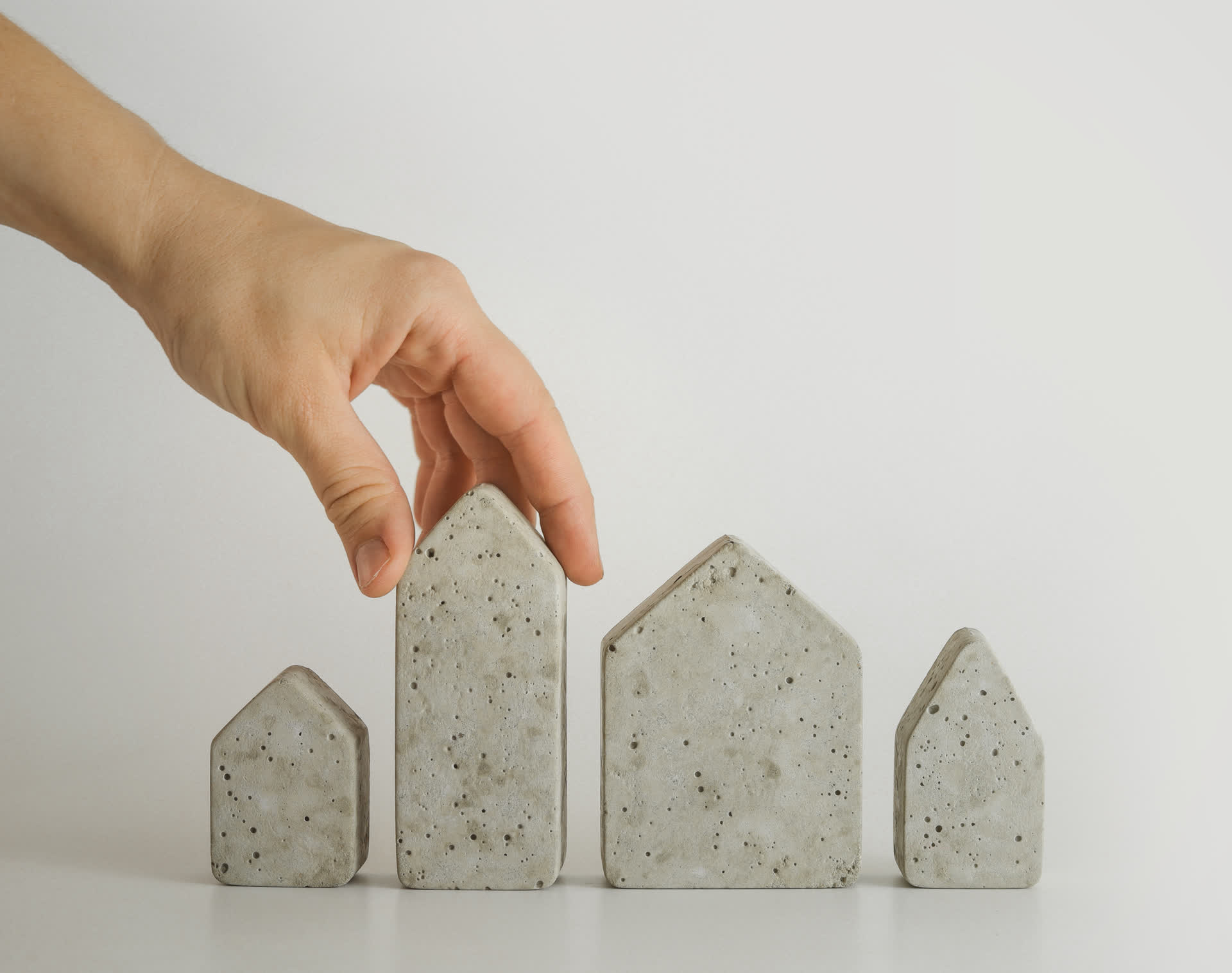

Should You Buy the Biggest House in the Neighborhood?
Should You Buy the Biggest House in the Neighborhood?

For generations, homebuyers have heard a familiar piece of real estate advice: buy the least expensive home in the best neighborhood you can afford. The reasoning is simple. Smaller or more modest homes often benefit from the value created by surrounding properties.
But what about the opposite approach?
What happens when the home you're considering is the largest, most expensive, or most upgraded property in the neighborhood?
While a larger home may offer more space, amenities, and lifestyle advantages, it can also present unique financial considerations that buyers should carefully evaluate. In today's housing market, where affordability, insurance costs, and long-term value remain major concerns, understanding the implications of buying the biggest house on the block has become increasingly important.
Why Buyers Are Drawn to Larger Homes
The appeal of a larger home is easy to understand.
More square footage often means:
- Additional bedrooms
- Larger living areas
- Home offices
- Expanded outdoor space
- Greater flexibility for future needs
For growing families or buyers planning to stay long term, purchasing a larger property may seem like a logical investment.
In Florida communities throughout Pinellas County, larger homes can also provide desirable features such as outdoor entertainment areas, pools, guest suites, and enhanced storage options.
However, size alone does not determine value.
Understanding the Principle of Conformity
One of the most important concepts in residential real estate is conformity.
Properties tend to maintain value most effectively when they are generally similar to surrounding homes in size, design, and price range.
When a home significantly exceeds neighboring properties in size or value, future appreciation may become less predictable.
Appraisers often rely on comparable sales from nearby homes when determining value. If few similar properties exist, accurately measuring market value can become more challenging.
The Potential Benefits of Buying the Biggest House
More Living Space
The most obvious advantage is having additional room to accommodate changing needs.
Whether for family growth, remote work, hobbies, or multigenerational living, larger homes often provide flexibility that smaller properties cannot.
Fewer Future Moves
Some buyers intentionally purchase larger homes to avoid outgrowing the property.
Remaining in one home longer can reduce future moving costs and transaction expenses.
Lifestyle Advantages
Larger homes frequently include premium features that enhance daily living.
These may include upgraded kitchens, larger lots, outdoor entertainment spaces, or additional recreational areas.
Potential Drawbacks Buyers Should Consider
Higher Ownership Costs
A larger home generally costs more to maintain.
Expenses may include:
- Higher utility bills
- Increased insurance premiums
- Greater maintenance costs
- More expensive repairs
- Higher property taxes
In Florida, where insurance costs have become a major factor for homeowners, larger properties often carry correspondingly larger insurance obligations.
Slower Appreciation Potential
The most expensive home in a neighborhood may not appreciate at the same rate as smaller surrounding homes.
Because local buyers often compare properties within the same community, there may be limits to how much value the market is willing to assign to a home that substantially exceeds neighborhood norms.
Smaller Buyer Pool
When it comes time to sell, larger homes often appeal to a narrower audience.
Not every buyer needs extensive square footage, which can reduce demand compared to more moderately sized properties.
How Appraisals Can Be Affected
Mortgage lenders rely on appraisals to verify a property's value.
When a home is significantly larger or more upgraded than nearby properties, finding comparable sales can become difficult.
This does not necessarily mean the home lacks value, but it can create challenges when supporting higher purchase prices through traditional appraisal methods.
Buyers should understand how local market data supports the property's valuation before making an offer.
Neighborhood Quality Matters More Than House Size
A home's location remains one of the strongest drivers of long-term value.
Buying the largest home in a desirable neighborhood may produce different outcomes than buying the largest home in an area experiencing limited demand or slower appreciation.
Factors such as:
- School quality
- Community amenities
- Access to employment centers
- Neighborhood stability
- Future development plans
often influence value more significantly than square footage alone.
Local Perspective: Pinellas County
Pinellas County offers a diverse range of housing options, from waterfront estates and luxury properties to established suburban neighborhoods and historic homes.
In some communities, larger homes may command strong demand due to limited inventory and desirable locations. In others, buyers may find that exceptionally large homes struggle to maintain pricing premiums relative to neighboring properties.
Because neighborhood dynamics vary considerably throughout the county, evaluating local comparable sales remains critical before purchasing any property that stands apart from surrounding homes.
Balancing Lifestyle and Investment Considerations
One of the most common mistakes buyers make is viewing a home solely as either a lifestyle decision or an investment decision.
In reality, both perspectives matter.
A larger home that improves quality of life may be worthwhile even if appreciation is somewhat slower. Conversely, purchasing additional space that remains largely unused may create unnecessary financial burdens.
The best choice often lies in finding a property that meets both personal needs and sound financial objectives.
The Bottom Line
Buying the biggest house in the neighborhood is not automatically a good or bad decision.
Larger homes offer flexibility, comfort, and lifestyle benefits that many buyers value. At the same time, they may come with higher ownership costs, appraisal challenges, and different appreciation patterns than more typical neighborhood properties.
For buyers, the key is evaluating how the property fits within the local market, long-term financial goals, and personal lifestyle needs. The most successful purchases are rarely determined by size alone. They are driven by a careful balance of value, location, affordability, and future marketability.
Frequently Asked Questions
Is buying the biggest house in the neighborhood a bad investment?
Not necessarily. The property's location, market demand, and overall neighborhood quality often play a larger role in determining long-term value.
Do larger homes appreciate more slowly?
Sometimes. Homes that significantly exceed neighborhood norms may face limits on appreciation compared to surrounding properties.
Should buyers focus on size or location?
Most real estate professionals consider location the more important factor because it has a lasting influence on value, demand, and future resale potential.
Recent Posts