

Finding Calm Every Day Using Simple Stress Management Strategies
Finding Calm Every Day Using Simple Stress Management Strategies
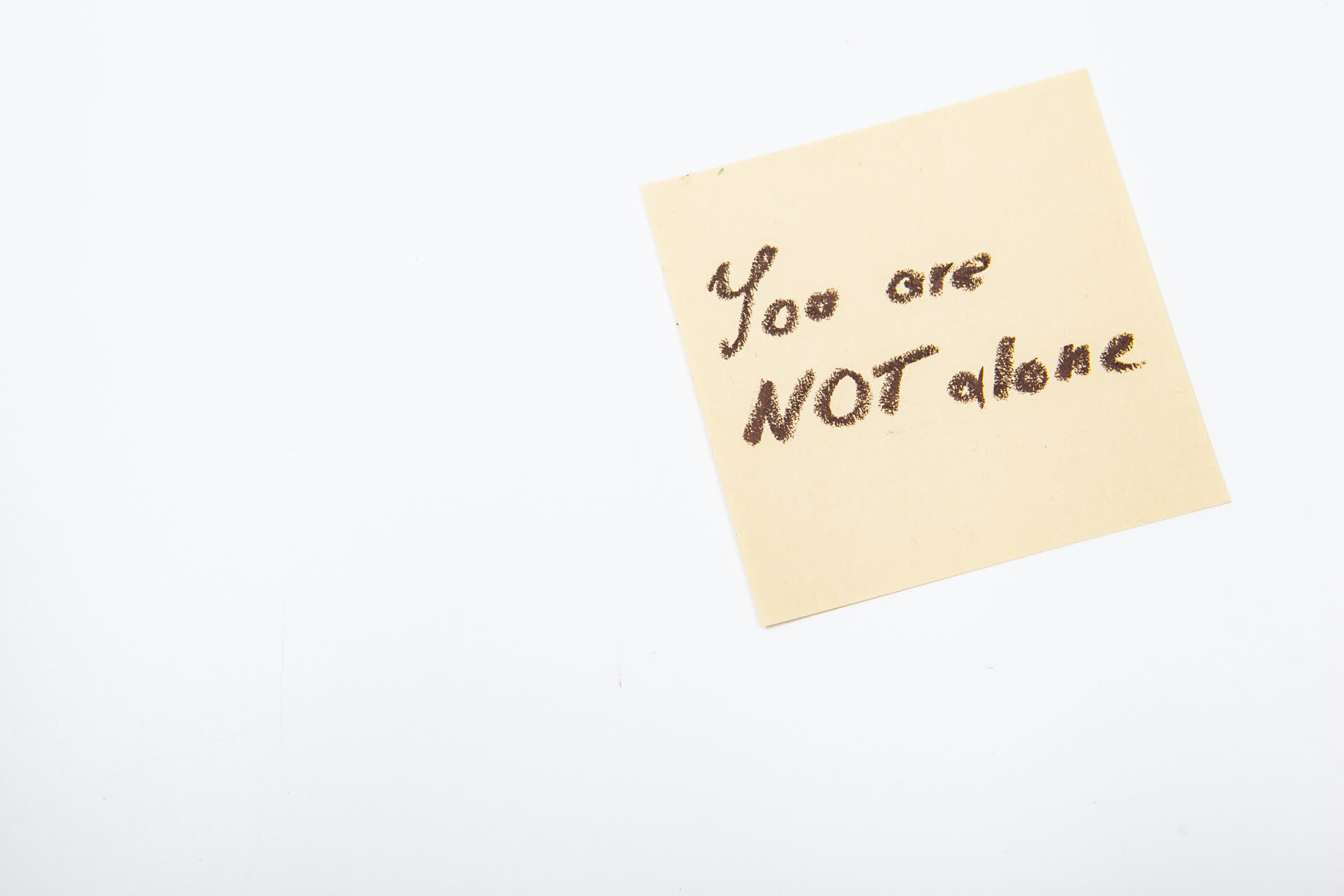
Busy professionals juggling deadlines, family logistics, and constant notifications often feel stressed without knowing exactly what’s setting it off. The core tension is that stress triggers can hide inside everyday stress sources, workload, relationships, health worries, finances, and even downtime, so the body stays on alert while the mind tries to push through. Recognizing personal stressors turns stress from a vague cloud into specific patterns that can be named and measured. That clarity makes the stress management importance feel practical instead of abstract.
Understanding How Your Stress Response Works
Stress is a natural reaction that shifts your body into “deal with this now” mode. The same system can spark physical changes, steer your thoughts toward worry or urgency, and make small problems feel bigger than they are.
When you know what your stress response is doing, you can match the right tool to the right symptom. That helps you calm faster and recover sooner, instead of trying random fixes that do not stick. It also matters because chronic stress can wear on both mental and physical health over time.
Picture an afternoon packed with meetings, a tense text, and a late bill notice. Your body reacts as if danger is near, your mind narrows, and patience drops fast. A targeted reset then becomes a practical choice, not a vague goal. With this map in mind, you can weigh calming options with a safety-first lens.
Explore Low-Risk Complementary Ways to Unwind
Once you understand what flips your stress response on, it can help to have a few gentle, low-risk options that nudge your body back toward calm. Some people explore calming supplements like ashwagandha, or non-ingestive approaches such as aromatherapy or massage to help release tension. Others look into cannabinoids; if you’re considering that route, a high-quality THCa isolate is one purified option some adults choose to try thoughtfully.
Build Your Daily Stress-Reduction Routine
Stress relief works best when it’s routine, not a rescue mission. Use the moves below as a menu, pick two to start this week, then add one every few days.
- Do a 2-minute “body reset” breath: Try physiological sighs: inhale through your nose, top it off with a second short inhale, then exhale slowly through your mouth. Do 3–5 rounds before a meeting, after a tense text, or when you walk in the door. Deep breathing exercises lower your stress response quickly because they cue your nervous system that you’re safe.
- Hit a realistic weekly movement target: Aim for the guideline of 150 minutes per week of moderate-intensity exercise, about 20–25 minutes a day. The regular exercise benefits stack up: better sleep, steadier mood, and a built-in “pressure release valve.” Make it simple: brisk walking after lunch, cycling while listening to a podcast, or a short strength circuit three days a week.
- Create two work-life boundaries that actually hold: Choose one time boundary and one space boundary. A practical standard is to define clear boundaries by setting a hard stop time for work messages and using a designated workspace so your brain can “clock out.” If your schedule is unpredictable, make the boundary tiny but consistent, like no work chat during dinner, or a 10-minute shutdown ritual that lists tomorrow’s first task.
- Build a “steady energy” plate to reduce stress reactivity: A healthy diet impact often shows up as fewer mood dips and cravings that amplify stress. At most meals, aim for protein + fiber + color (example: eggs + whole-grain toast + fruit; or beans + salad + olive oil). Keep one low-effort backup on hand for busy days, like yogurt and nuts or a pre-made salad kit with canned fish.
- Use a 10-minute “mind clear” list to stop mental looping: Set a timer and write three columns: worries, next actions, and waiting on. Turn any worry you can influence into a next action that takes under 15 minutes (send an email, schedule an appointment, prep tomorrow’s lunch). This is one of the most reliable stress reduction techniques because it converts vague threats into a plan.
- Practice meditation in a way your life can support: Start with 3 minutes a day of guided attention, focus on breath, sounds, or a simple phrase like “in/out.” If quiet alone time is hard at home or work, try practicing in a structured setting like a class or a quiet public space. Meditation for stress isn’t about “emptying your mind”; it’s training your attention to return, gently, when it wanders.
- Pair foundational habits with low-risk complements, on purpose: If you’re experimenting with gentle add-ons from your unwind toolkit (like calming routines, mind-body practices, or other low-risk options), attach them to an existing anchor: after your walk, before your shower, or during your evening wind-down. Keep one variable at a time for a week so you can tell what genuinely helps.
Everyday Stress and Lasting Calm: Common Questions
Q: What if I can’t tell what’s actually stressing me out?
A: Start by tracking patterns, not perfection. For three days, jot down what happened right before you felt tense, plus what you were thinking and what your body did. A quick “same time, same person, same task” scan usually reveals your real triggers.
Q: How do I keep a stress routine going when motivation disappears?
A: Make the default so small you can’t talk yourself out of it: two minutes counts. A cue helps more than willpower, and quiet reflection first thing can set a steadier tone before the day starts. When you miss a day, restart with the smallest version, not the “full plan.”
Q: What can I do when I’m too busy for self-care?
A: Swap “more time” for “better placement.” Attach a calming action to something you already do, like one slow breath before unlocking your phone or a short walk while on a call. Consistency beats duration.
Q: Why does it feel like my stress comes back even when I’m doing the right things?
A: Stress rises and falls with life demands, so relapse is often normal, not failure. Since half of all Americans report frequently experiencing stress, you are not unusually “bad at coping.” Use flare-ups as feedback to tighten one boundary or simplify one habit.
Q: Should I change everything at once to feel calm faster?
A: No. Pick one habit to stabilize for a week, then add another, so you can tell what truly helps. Lasting calm is built like strength: one repeatable step at a time.
Build Lasting Calm With Consistent, Everyday Stress Management
Everyday stress won’t stop showing up, and the hard part is staying steady when time is tight and motivation for stress control dips. A practical, flexible mindset, notice what’s driving stress, respond with simple routines, and return to them without restarting, keeps progress realistic and repeatable. That stress management summary points to consistent stress reduction: fewer spikes, faster recovery, and more confidence handling pressure. Small, steady choices reduce stress more than occasional big efforts. Choose one next step to repeat for the next seven days, then keep it as a baseline. Over time, the long-term stress benefits support ongoing wellbeing maintenance through better stability, resilience, health, and connection.
Article by: Charlotte Meier
Recent Posts